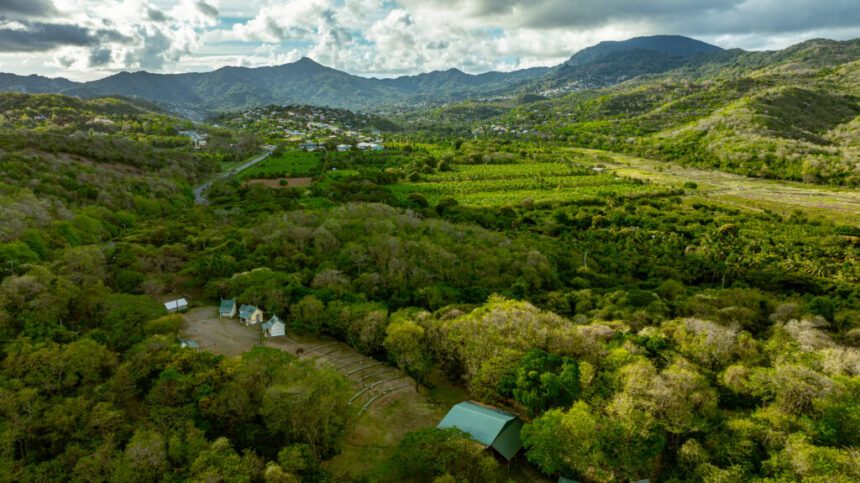
Babonneau, Mabouya Valley, and Monchy are being considered for UNESCO Biosphere Reserve status as part of a new community initiative.
The communities could be included in UNESCO’s Man and the Biosphere (MAB) Programme, which equips areas with the tools to protect their environment by reinforcing the bond between people and nature. The programme works through targeted projects that promote sustainable development through tailored economic ventures, support local communities, preserve culture, and encourage knowledge sharing.
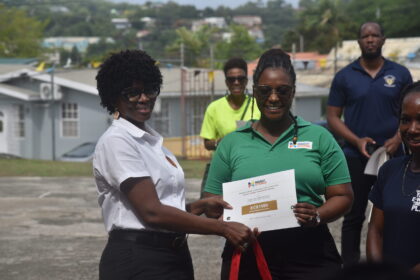
The initiative is being explored by the Saint Lucia National Commission for UNESCO (SLNCU), which has begun public consultations with residents.
“The programme advocates for the harmonious coexistence of man and nature; how we as human beings can protect our environment so that our environment can also provide for us,” Marcia Symphorien, Secretary-General of the SLNCU, stated while sharing additional details on a government podcast last month.
Community consultations were recently held in Babonneau.
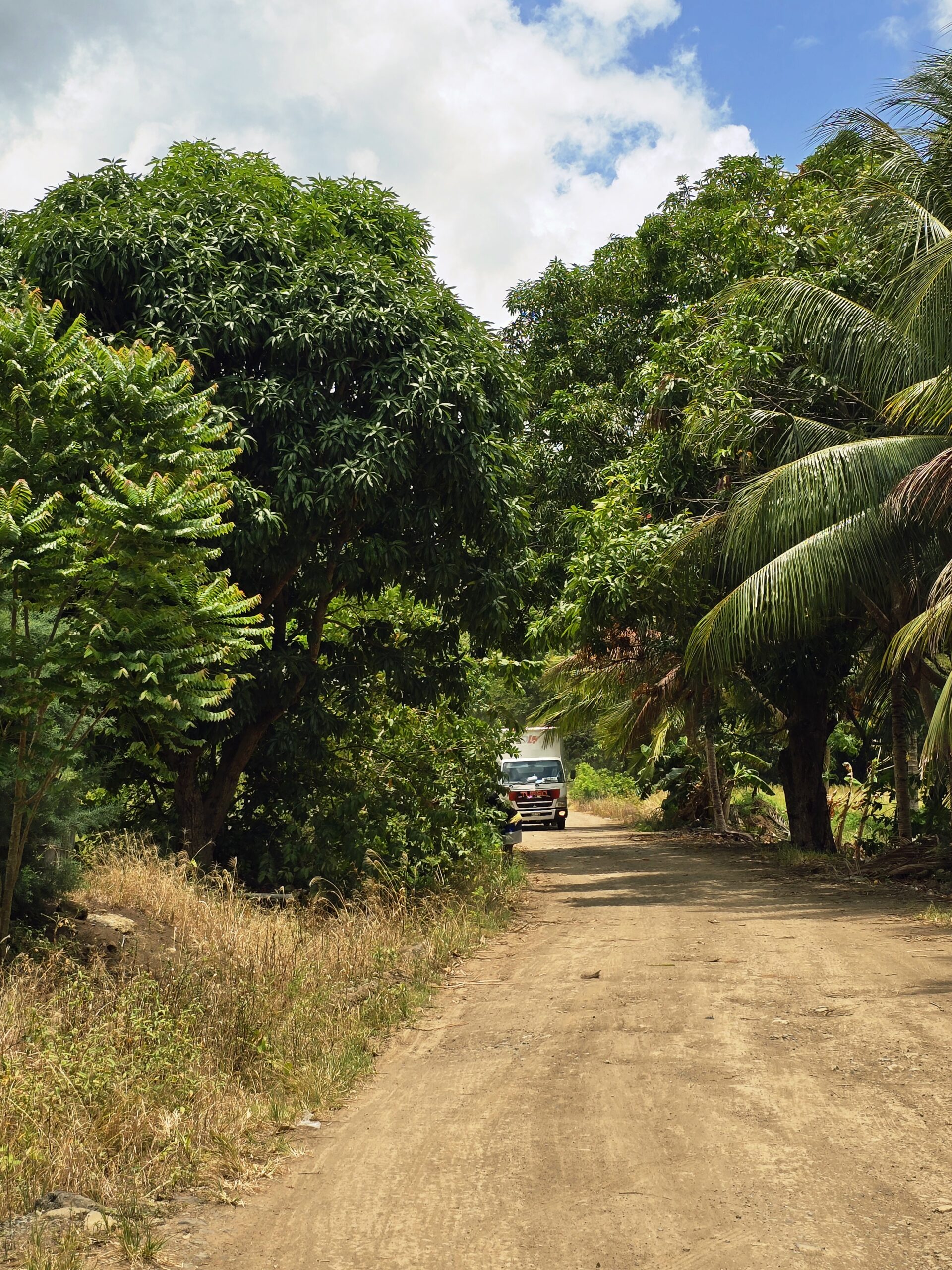
“I believe this is very welcoming for Babonneau considering the vastness and richness in biodiversity within the area,” Aldric Edward, resident and owner of Exotic and Leisure Adventures, told St. Lucia Times. “Babonneau is extremely rich in culture and heritage, including wide varieties of endemic species of plants and animals. The area also has non-timber items of great economic value and can contribute to sustainable livelihoods.”
He believes the programme also presents opportunities for further education on good agricultural practices and could foster additional employment opportunities for community members. “We are all pleased with this initiative and fully endorse this MAB project.”
Consultations are set to get underway in Mabouya Valley.
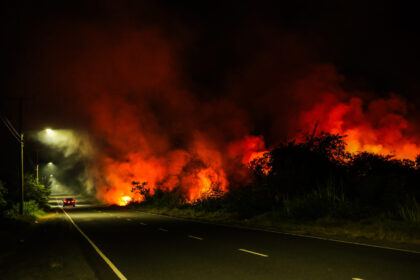
According to Symphorien, the programme could also help Saint Lucia with climate change-related issues.
“All of the issues relating to water, water scarcity, how we protect our environment, and how we provide livelihoods for our people and support economic development are being discussed. We’ve been emphasising to participants that MAB is not ‘World Heritage’, so it is not a legally binding instrument; it is about us taking responsibility for our environment. It is entirely voluntary, and it will help us meet our development goals — not only the global sustainable development goals, but also our community‑level goals.”
The MAB Programme has 797 Biosphere Reserves across 145 countries, with Caribbean sites in Aruba, Cuba, the Dominican Republic, Puerto Rico, Haiti, Saint Kitts and Nevis, Trinidad and Tobago, and Guadeloupe.