The shape of dominance
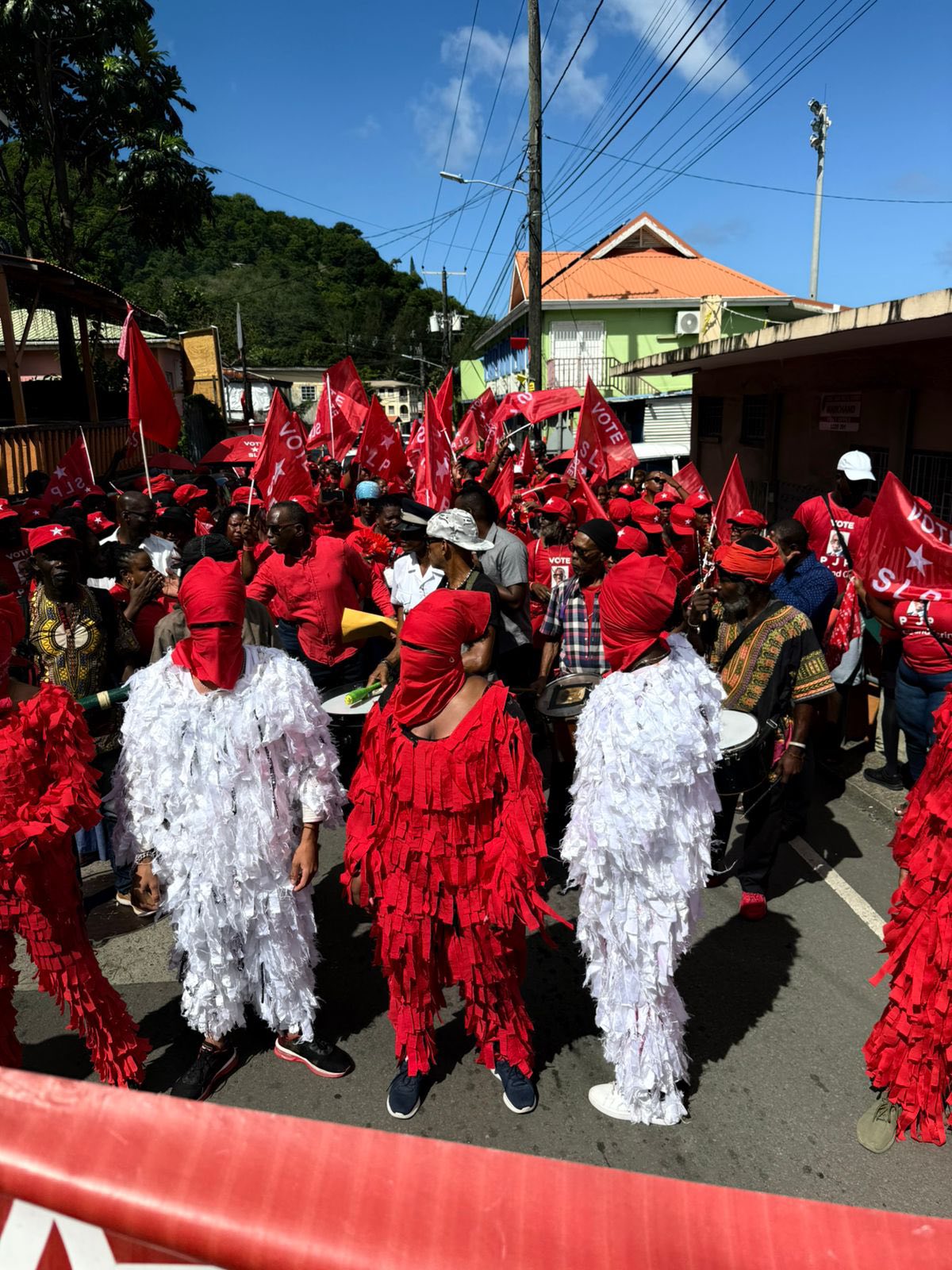
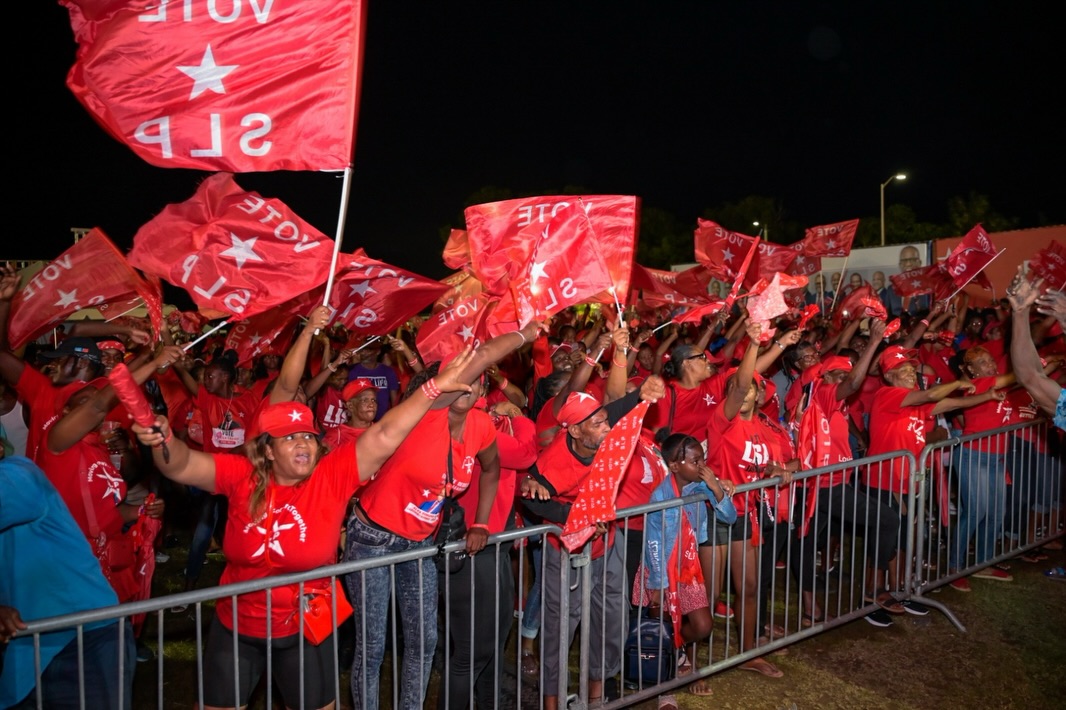
The Saint Lucia Labour Party (SLP) emerged from Monday’s general election with commanding strength, consolidating power after its dominant 15-2 victory in 2021 and reinforcing the trend with a 16-1 result in 2025, when the two independent MPs, both aligned with Labour, are included.
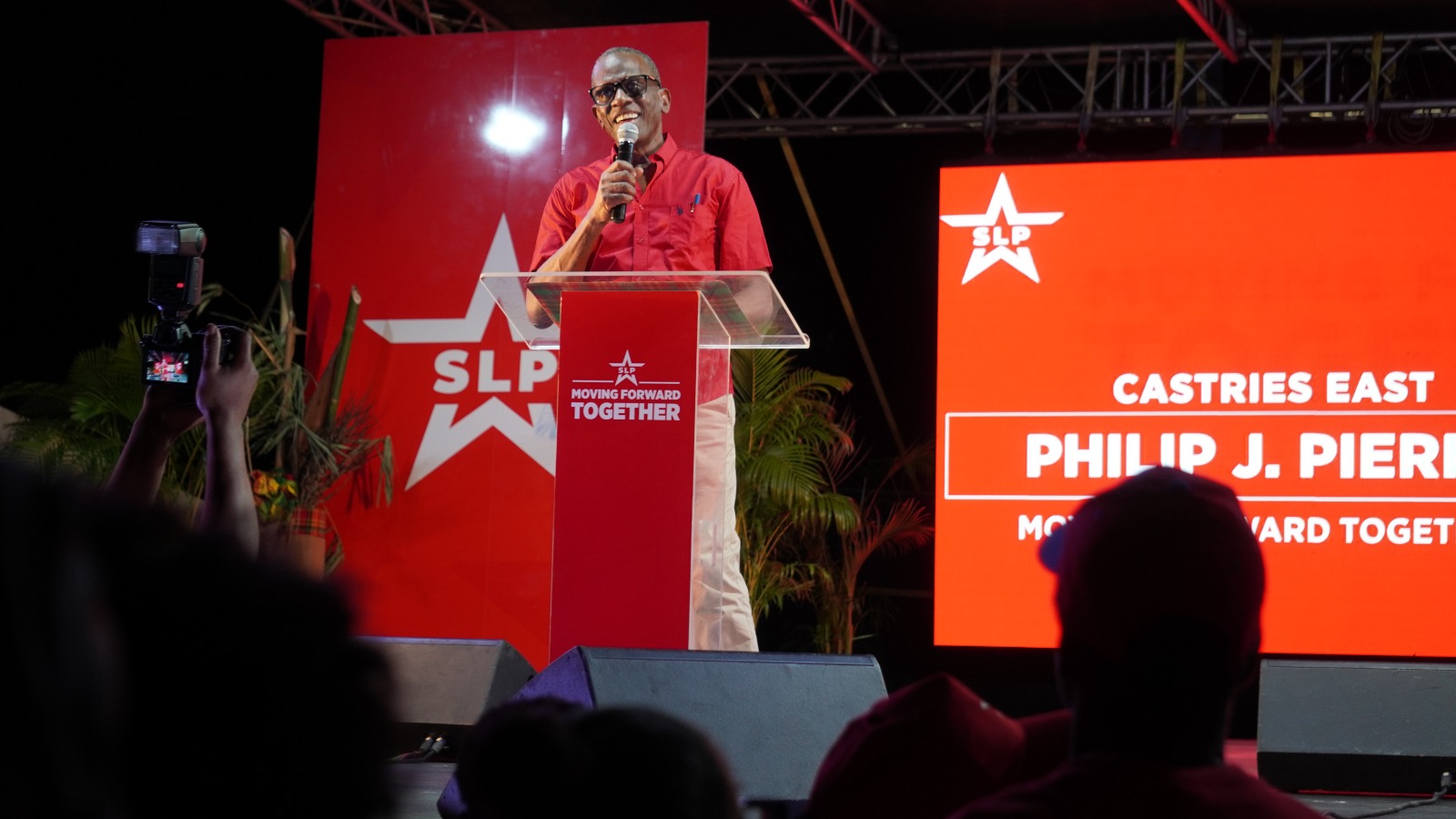
Since 1997, Saint Lucia’s elections have swung between the SLP and the United Workers Party (UWP), but this latest outcome suggests a deeper realignment in how voters respond to leadership, messaging and personal connection.
Fresh faces
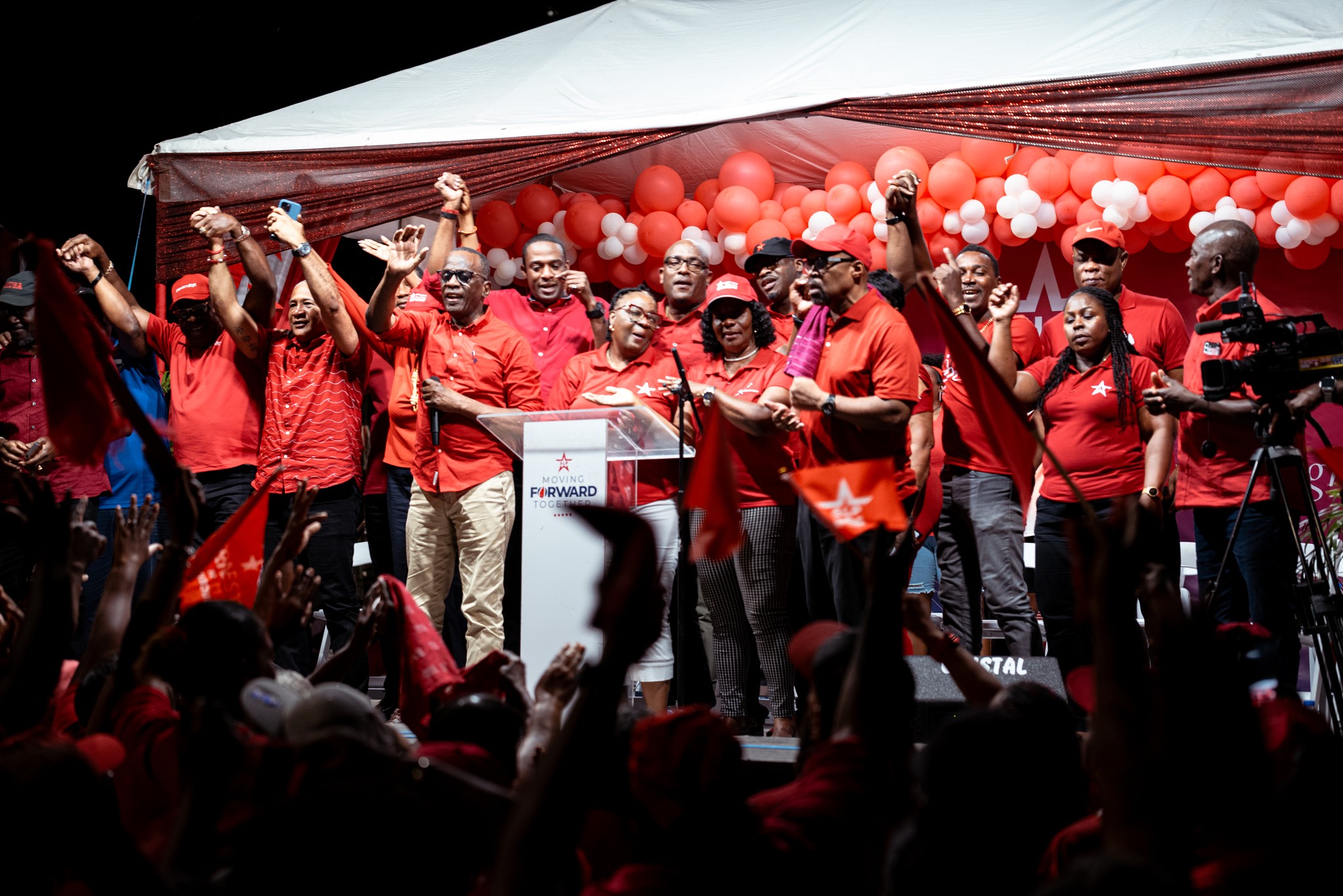
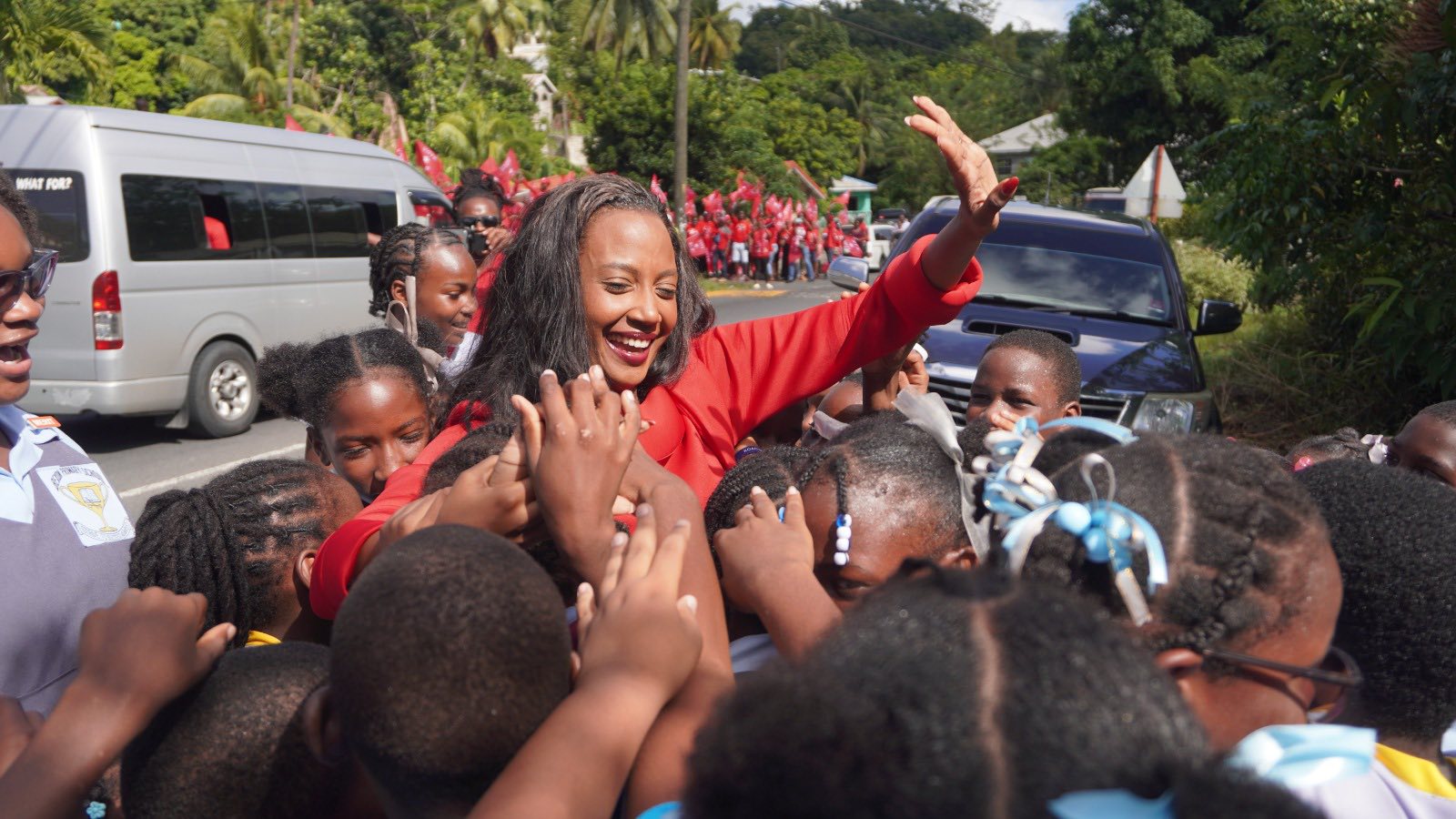
Among the most notable developments was the arrival of several first-time Members of Parliament under the SLP banner.
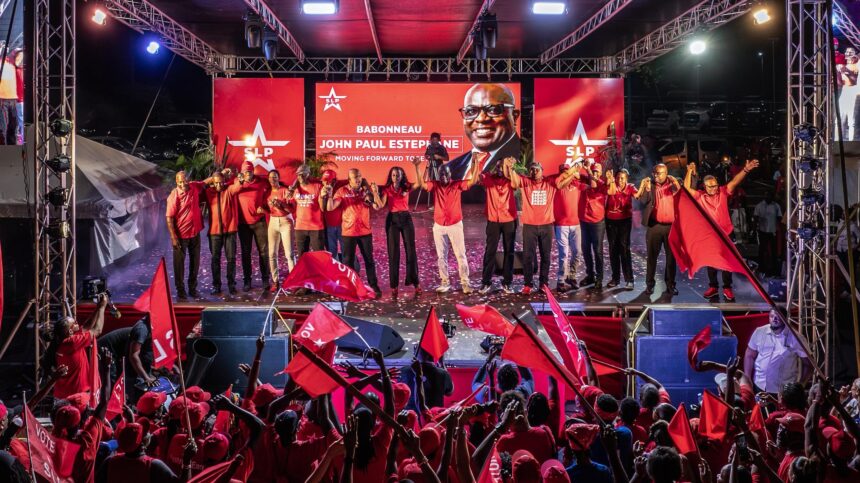
- In Babonneau, John Paul Estaphane secured victory with 3 918 votes (58.8 per cent) over UWP’s Titus Preville, on a turnout of 48.31 per cent.
- In Choiseul, Keithson Charles unseated incumbent Bradley Felix with 2 941 votes (53.9 per cent) to Felix’s 2 517 (46.1 per cent), turnout 49.44 per cent.
- In Castries South East, Lisa Jawahir defeated UWP deputy leader Guy Joseph, winning 4 299 votes (57.4 per cent) to Joseph’s 3 187 (42.6 per cent), turnout 49.56 per cent.
Not all newcomers succeeded. In Micoud North, Shanda Harracksingh of the SLP was defeated by UWP leader Allen Chastanet, who retained the seat with 2 292 votes (58.6 per cent) compared to Harracksingh’s 1 619 (41.4 per cent), turnout 50.78 per cent.
The vanishing opposition
The UWP’s only parliamentary foothold came from Chastanet’s win in Micoud South, representing a stunning contraction for a party that once boasted several strongholds across the country.
Political consultant Peter Wickham noted that many UWP defeats were less about individual candidates than about the wider party image. He questioned the political future of deputy political leader Guy Joseph, suggesting that voters rejected not just his candidacy but the brand he symbolised.
“The first timers for the UWP on this occasion shouldn’t be despondent,” Wickham advised, stressing that leadership perception played a greater role than individual performance.
Turnout trouble
According to the Electoral Department, the national turnout stood at approximately 49 per cent, a decline from 51 per cent in the previous general election. It is almost certainly a record low and the figures confirm a downward trend in participation, raising questions about voter engagement, migration and the accuracy of the electoral register.
The contrast was stark: Soufrière recorded one of the highest participation rates at 61.06 per cent, where SLP’s Emma Hippolyte won narrowly over UWP’s Herod Stanislas. Meanwhile, Castries Central registered the lowest turnout at 40 per cent, where independent Richard Frederick still won convincingly with 2 151 votes (59.5 per cent).
Independents holding ground
Two incumbent independents secured seats: Stephenson King in Castries North and Richard Frederick in Castries Central. Their success is notable in a region where independents have traditionally struggled.
Both men defected from the UWP but ran as independents aligned with the government for a second time, in constituencies where the SLP did not field candidates. This unusual arrangement gave them space to thrive, but it also means their victories may not signal a broader opening for independents in Saint Lucia.
Outside the numbers
For the newly elected MPs, Wickham offered both optimism and caution. “The party will carry you for a while, but you also need to carry yourself,” he said.
His reminder that electoral success must be matched by community engagement and performance points to the next phase of Saint Lucia’s political story.
Voter turnout trend in Saint Lucia (1997–2025)
- 1997: 66.55 per cent turnout – SLP landslide (16-1)
- 2001: 52.73 per cent turnout – SLP retained power (14 seats)
- 2006: 58.46 per cent turnout – UWP regained control (11 seats)
- 2011: 56.84 per cent turnout – SLP returned to office
- 2016: 53.28 per cent turnout – UWP back with 11 seats
- 2021: 50.80 per cent turnout – SLP landslide (13 seats, UWP reduced to 2)
- 2025: 49.93 per cent turnout – SLP consolidated (14 seats, UWP down to 1)